
Click a Category to Browse by Category

Administrators As School Garden Allies

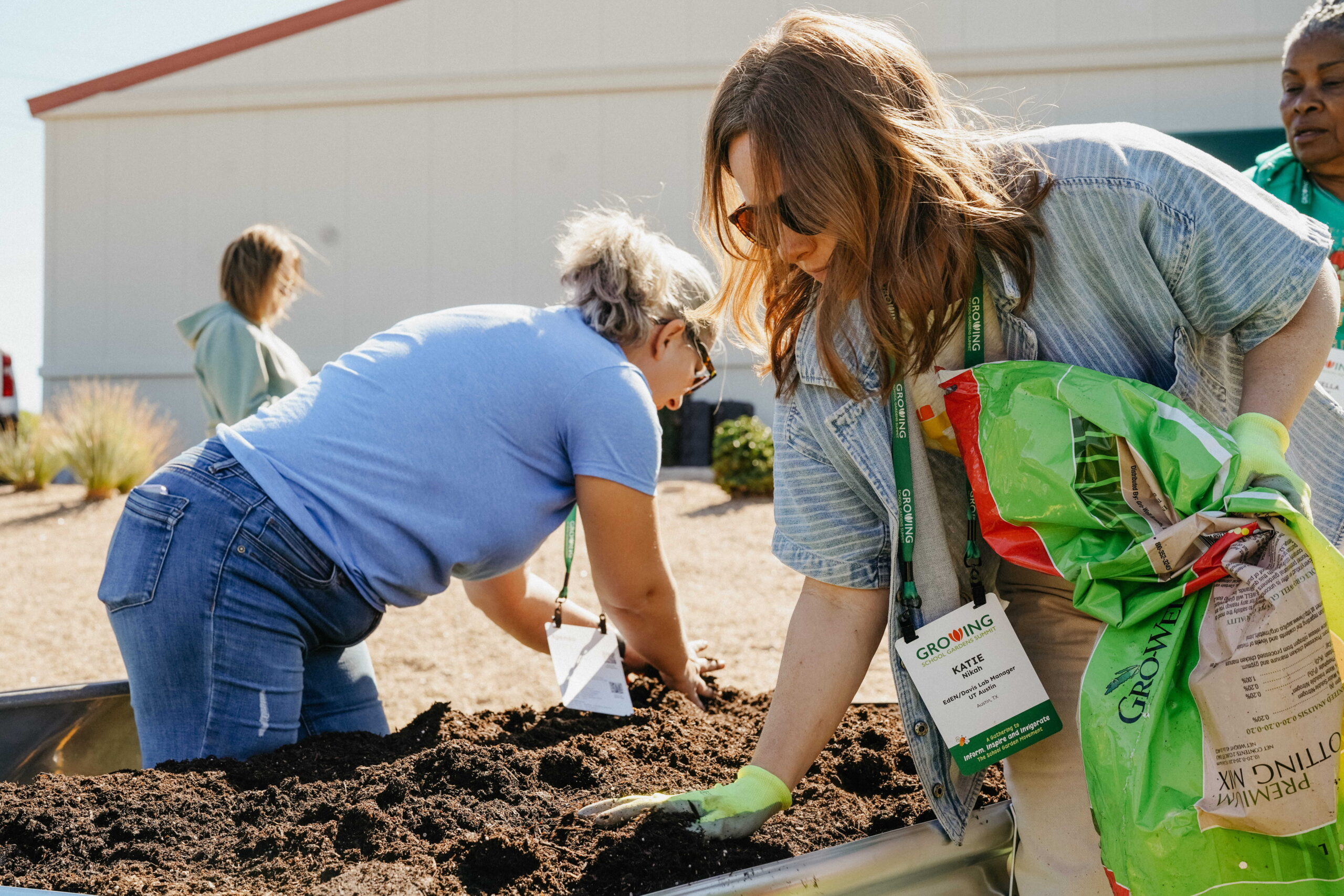
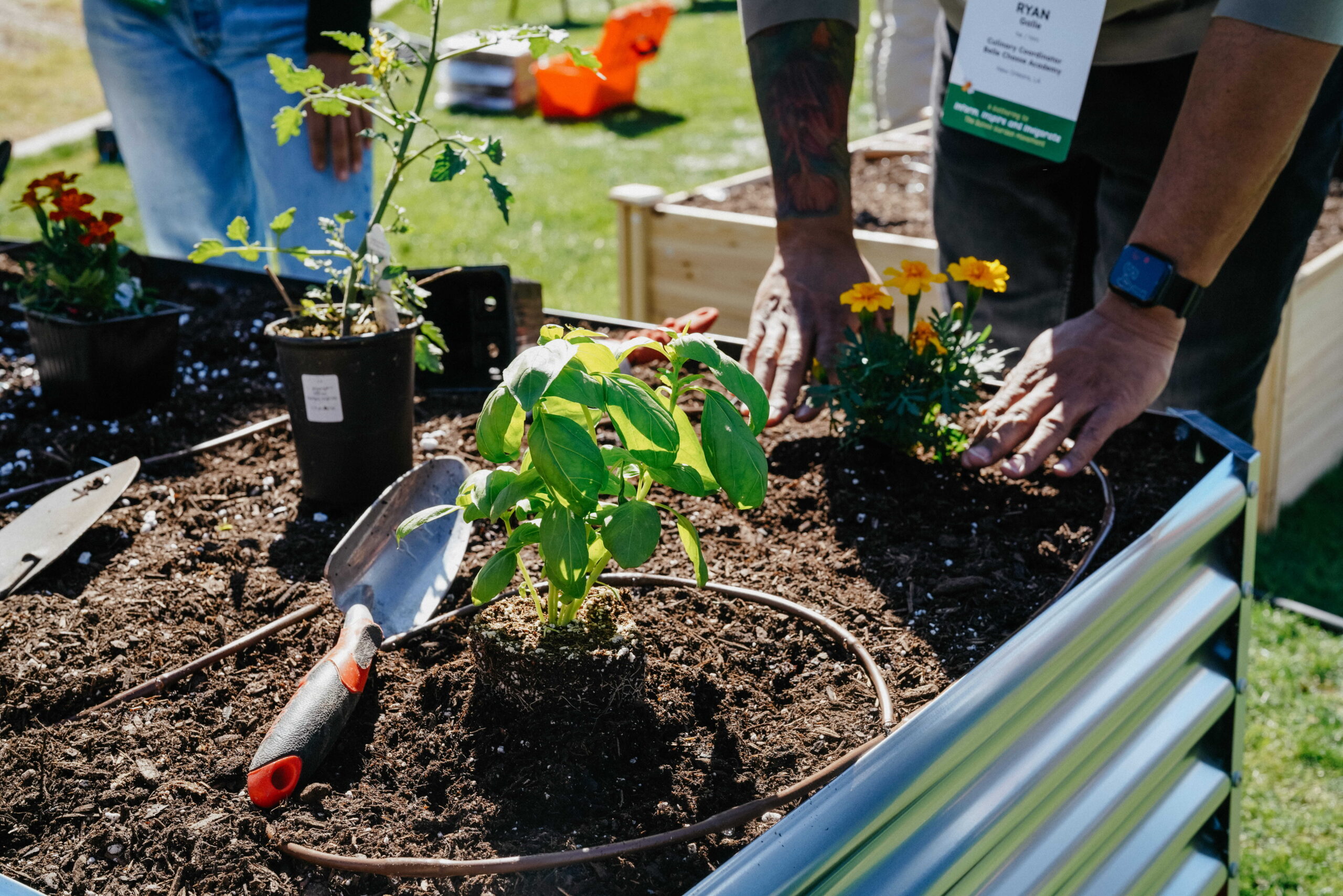
Research from the EdEN Lab at the University of Texas Austin shows that thriving school gardens are 12 times more likely to have good administrative and district support. This month, we focus on strategies for building these essential relationships to ensure your garden program has the leadership support and institutional
Read More »

Regenerative Agriculture Connections

School gardens can be places of restoration for students and ecosystems alike. Incorporating regenerative agricultural education, such as studying soil health, nutrient cycling, and habitat conservation, deepens students’ understanding of their role as land stewards. Read this month’s newsletter for practical ways to tend to your school gardens in ways

Read More »

School District Farm

District farms are unique programs that expand opportunities for school garden initiatives. They give students experience with food production at a larger scale, often allowing them to follow the process from farm to plate. These farms also offer internships for older students and valuable partnerships that deepen students’ understanding of

Read More »

School Garden Networks

Integrating a school garden into a broader network of support organizations and schools is key to long-term success. Networks create multiple avenues for connection, expanding capacity and reducing costs through shared resources and peer-to-peer learning. In this month’s newsletter, you’ll find examples and tools for building collaborative school garden networks

Read More »

Serving Student-Grown Produce in the Cafeteria

Allowing students to consume vegetables they planted themselves in their school garden is an immensely satisfying experience that brings the educational journey full circle. Beyond educational benefits, growing produce on-site to supplement school meals can help reduce costs and reinvest funds into your school community. In this month’s newsletter, explore

Read More »

School Gardens in Wellness Initiatives

Schools and districts often invest in wellness activities to improve student health and that of the broader community. By advocating for school gardens as part of these initiatives, you can strengthen their long-term sustainability regardless of administrative changes. Read this month’s SGSO Network Newsletter for resources to help position your

Read More »

Creative Funding Sources

Now more than ever, it’s essential to maintain a flexible and resilient operating budget for your school garden program. One aspect of this can include finding revenue from unexpected sources, such as space usage fees or purpose-adjacent grants. Read this month’s newsletter to see how SGSO Network members are crafting

Read More »

School Gardens As Sustainability Solutions

Research shows that students participating in school garden programs develop a stronger sense of environmental responsibility. In addition to being a powerful educational tool, school gardens offer tangible ways to adopt green initiatives by depaving schoolyards, mitigating microclimates, and managing stormwater runoff. Explore this month’s newsletter for resources to help

Read More »

Enhancing Participation Through Design

Thoughtful planning of a garden space fosters student engagement and encourages structured and independent learning. Intentional design is what transforms raised beds and outdoor classrooms into thriving multi-purpose spaces. Take a look at this month’s Newsletter for a roundup of resources to help you create a space that maximizes participation

Read More »

Professional Development in School Gardens

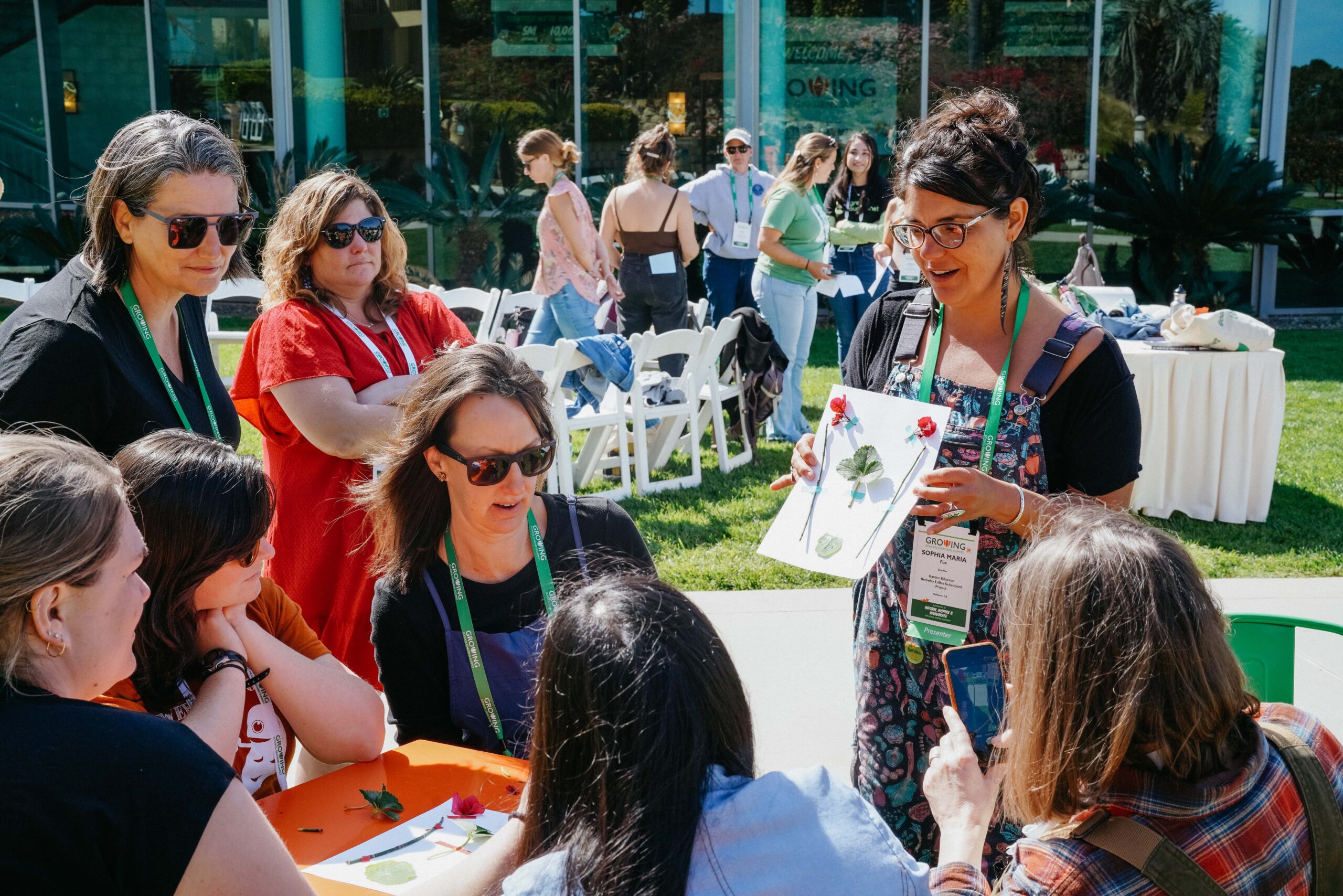
Students aren’t the only ones who can learn and grow in school gardens. Staff training—for everyone from classroom teachers to coordinators—is crucial for delivering impactful programming and developing essential skills. Read this month’s SGSO Network Newsletter for resources to introduce or improve your professional development offerings. Read Full Newsletter

Read More »

Connecting Students to Indigenous Knowledge

Learning about Indigenous traditions deepens student’s relationship to the land while honoring these ancestral stewards. In this Newsletter, we use the word “Indigenous” to encompass native communities both from within and outside the United States. Read on and find resources to connect Indigenous knowledge to your program, from garden design

Read More »

Farm to School

Join the SGSO Network in celebrating Farm to School Month in October, organized by the National Farm to School Network! Farm to School focuses on three main areas: procurement of local produce to be served in cafeterias, hands-on school garden education, and in-classroom lessons on our food system. From lessons

Read More »

High School Engagement

School gardens are a transformative experience for young people of all ages. For high school students, garden programming teaches important life skills they will carry with them into their future careers and adulthood. Check out this collection of resources on how to meaningfully engage high school students from academic content

Read More »

Growing Your Garden Program

School gardens provide impactful programming to many students. Understandably, we want our programs to reach more of them over time. Scaling up operations intentionally and sustainably takes careful planning and consideration, and it can take many different shapes. Take a look at this resource roundup on frameworks and best practices

Read More »

Pollinators in the Garden

All types of pollinators are essential to a thriving and abundant school garden. Additionally, teaching students about their important role is a key component of a well-rounded garden-based education program. Check out this resource round up for tips on helping pollinators thrive in your garden, tools for bringing pollinators into

Read More »

Funding School Gardens

We know that school garden programs can never have too much funding to help their dreams grow into reality. In this newsletter, discover thoughtful financial strategies to support your garden and contribute to its resilience and broader sustainability. Join us in cultivating not just plants, but a sustainable future for

Read More »

Youth-Led Garden Programming

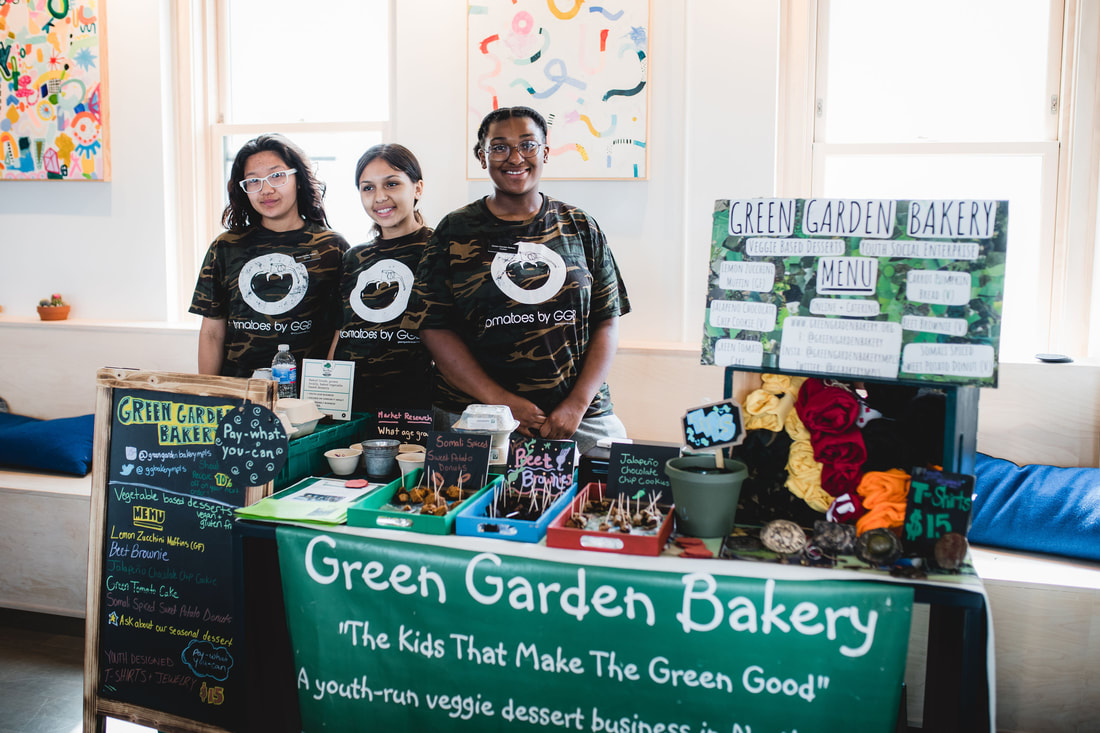
Youth-led garden programs are impactful as they provide students with hands-on learning experiences, while also supporting them to take ownership of their education and drive their own transformative garden experiences. These programs nurture leadership, teamwork, and critical thinking skills, while lending themselves easily to entrepreneurship and avenues for engaging students

Read More »

School Gardens as Food Security

School garden produce can be used in a variety of ways at school, such as in the cafeteria, taste tests, cooking, or nutrition education. But it can also serve as a source of food for families and the broader community and be a part of the solution for nutrition security.

Read More »

Culturally Sustaining Engagement in the School Garden

When we ensure that our school garden programs directly understand, appreciate and adapt to the cultural backgrounds of all students who are engaged, we create a higher likelihood that all students will benefit from the values of the school garden program. Whether it is how you build your lesson plans,

Read More »

Honoring Indigenous Foodways in the School Garden

The theme of this month’s newsletter honors indigenous foodways and local community cultural traditions in the school garden. We are highlighting resources that celebrate Native foodways, invite reflection and gratitude for those who have come before us, and provide opportunities for student learning in the garden centered around the rich

Read More »

Building a School Garden Culture

School culture is an enormous contributor to the success of a school garden. The fresh start of a school year is a great opportunity to build and grow the culture to be one that integrates school gardening into its curriculum and community with inclusion at the forefront. Read on for

Read More »

Administrators As School Garden Allies

Research from the EdEN Lab at the University of Texas Austin shows that thriving school gardens are 12 times more likely to have good administrative and district support. This month, we focus on strategies for building these essential relationships to ensure your garden program has the leadership support and institutional

Read More »

Regenerative Agriculture Connections

School gardens can be places of restoration for students and ecosystems alike. Incorporating regenerative agricultural education, such as studying soil health, nutrient cycling, and habitat conservation, deepens students’ understanding of their role as land stewards. Read this month’s newsletter for practical ways to tend to your school gardens in ways

Read More »

School District Farm

District farms are unique programs that expand opportunities for school garden initiatives. They give students experience with food production at a larger scale, often allowing them to follow the process from farm to plate. These farms also offer internships for older students and valuable partnerships that deepen students’ understanding of

Read More »

School Garden Networks

Integrating a school garden into a broader network of support organizations and schools is key to long-term success. Networks create multiple avenues for connection, expanding capacity and reducing costs through shared resources and peer-to-peer learning. In this month’s newsletter, you’ll find examples and tools for building collaborative school garden networks

Read More »

Serving Student-Grown Produce in the Cafeteria

Allowing students to consume vegetables they planted themselves in their school garden is an immensely satisfying experience that brings the educational journey full circle. Beyond educational benefits, growing produce on-site to supplement school meals can help reduce costs and reinvest funds into your school community. In this month’s newsletter, explore
Read More »

School Gardens in Wellness Initiatives

Schools and districts often invest in wellness activities to improve student health and that of the broader community. By advocating for school gardens as part of these initiatives, you can strengthen their long-term sustainability regardless of administrative changes. Read this month’s SGSO Network Newsletter for resources to help position your

Read More »

Creative Funding Sources

Now more than ever, it’s essential to maintain a flexible and resilient operating budget for your school garden program. One aspect of this can include finding revenue from unexpected sources, such as space usage fees or purpose-adjacent grants. Read this month’s newsletter to see how SGSO Network members are crafting

Read More »

School Gardens As Sustainability Solutions

Research shows that students participating in school garden programs develop a stronger sense of environmental responsibility. In addition to being a powerful educational tool, school gardens offer tangible ways to adopt green initiatives by depaving schoolyards, mitigating microclimates, and managing stormwater runoff. Explore this month’s newsletter for resources to help

Read More »

Enhancing Participation Through Design

Thoughtful planning of a garden space fosters student engagement and encourages structured and independent learning. Intentional design is what transforms raised beds and outdoor classrooms into thriving multi-purpose spaces. Take a look at this month’s Newsletter for a roundup of resources to help you create a space that maximizes participation
Read More »

Professional Development in School Gardens
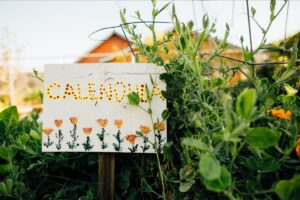
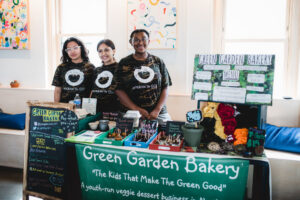
Students aren’t the only ones who can learn and grow in school gardens. Staff training—for everyone from classroom teachers to coordinators—is crucial for delivering impactful programming and developing essential skills. Read this month’s SGSO Network Newsletter for resources to introduce or improve your professional development offerings. Read Full Newsletter

Read More »

Connecting Students to Indigenous Knowledge

Learning about Indigenous traditions deepens student’s relationship to the land while honoring these ancestral stewards. In this Newsletter, we use the word “Indigenous” to encompass native communities both from within and outside the United States. Read on and find resources to connect Indigenous knowledge to your program, from garden design

Read More »

Farm to School

Join the SGSO Network in celebrating Farm to School Month in October, organized by the National Farm to School Network! Farm to School focuses on three main areas: procurement of local produce to be served in cafeterias, hands-on school garden education, and in-classroom lessons on our food system. From lessons

Read More »

High School Engagement

School gardens are a transformative experience for young people of all ages. For high school students, garden programming teaches important life skills they will carry with them into their future careers and adulthood. Check out this collection of resources on how to meaningfully engage high school students from academic content

Read More »

Growing Your Garden Program

School gardens provide impactful programming to many students. Understandably, we want our programs to reach more of them over time. Scaling up operations intentionally and sustainably takes careful planning and consideration, and it can take many different shapes. Take a look at this resource roundup on frameworks and best practices

Read More »

Pollinators in the Garden

All types of pollinators are essential to a thriving and abundant school garden. Additionally, teaching students about their important role is a key component of a well-rounded garden-based education program. Check out this resource round up for tips on helping pollinators thrive in your garden, tools for bringing pollinators into

Read More »

Funding School Gardens

We know that school garden programs can never have too much funding to help their dreams grow into reality. In this newsletter, discover thoughtful financial strategies to support your garden and contribute to its resilience and broader sustainability. Join us in cultivating not just plants, but a sustainable future for

Read More »

Youth-Led Garden Programming

Youth-led garden programs are impactful as they provide students with hands-on learning experiences, while also supporting them to take ownership of their education and drive their own transformative garden experiences. These programs nurture leadership, teamwork, and critical thinking skills, while lending themselves easily to entrepreneurship and avenues for engaging students

Read More »

School Gardens as Food Security

School garden produce can be used in a variety of ways at school, such as in the cafeteria, taste tests, cooking, or nutrition education. But it can also serve as a source of food for families and the broader community and be a part of the solution for nutrition security.

Read More »

Culturally Sustaining Engagement in the School Garden

When we ensure that our school garden programs directly understand, appreciate and adapt to the cultural backgrounds of all students who are engaged, we create a higher likelihood that all students will benefit from the values of the school garden program. Whether it is how you build your lesson plans,

Read More »

Honoring Indigenous Foodways in the School Garden

The theme of this month’s newsletter honors indigenous foodways and local community cultural traditions in the school garden. We are highlighting resources that celebrate Native foodways, invite reflection and gratitude for those who have come before us, and provide opportunities for student learning in the garden centered around the rich

Read More »

Building a School Garden Culture

School culture is an enormous contributor to the success of a school garden. The fresh start of a school year is a great opportunity to build and grow the culture to be one that integrates school gardening into its curriculum and community with inclusion at the forefront. Read on for

Read More »